

A viral moment that raised serious questions
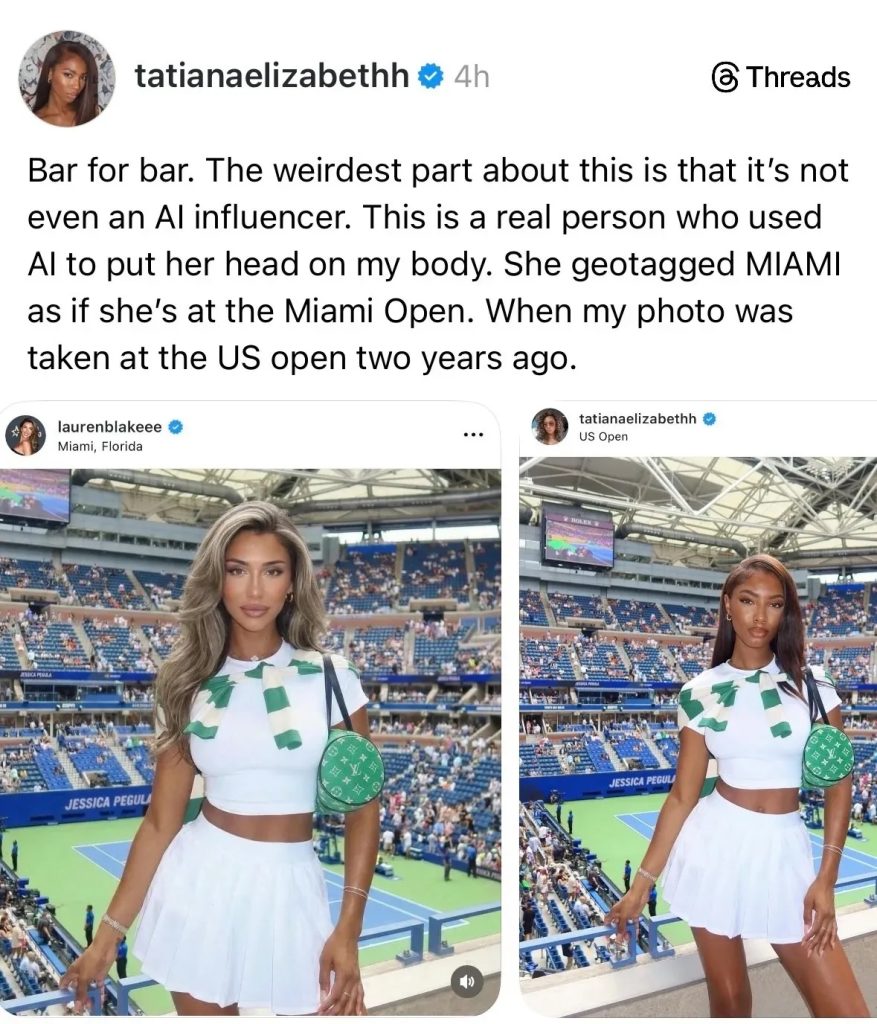
Influencer Lauren Blake Boultier is facing intense online scrutiny after posting an image that appeared to place her face onto Tatiana Elizabeth’s body using AI tools. The controversy quickly spread across TikTok, Instagram, and Threads.
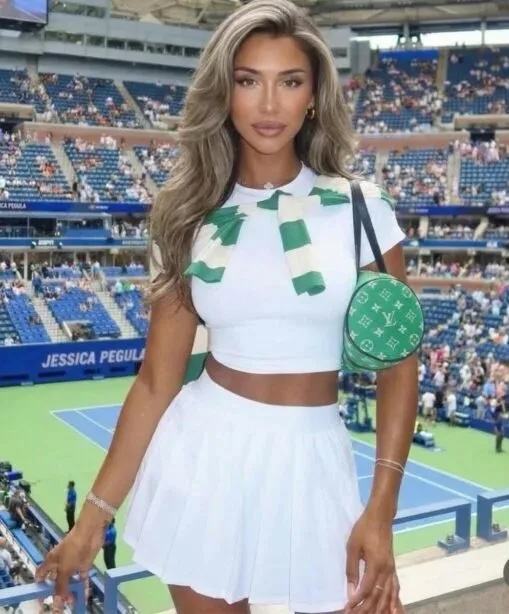
Boultier
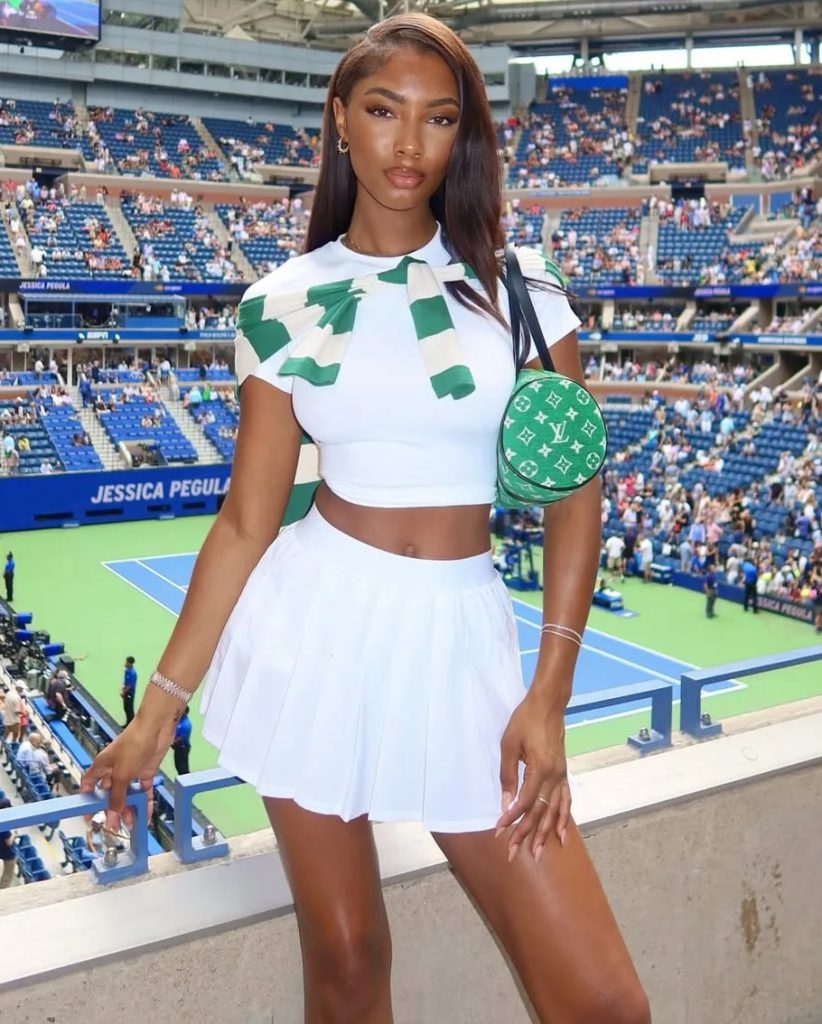
Tatiana Elizabeth first noticed the issue when she saw a nearly identical version of her 2024 US Open photo on Boultier’s Instagram. The outfit, pose, handbag, and even wrist tattoo matched perfectly. Only the face looked different.
Elizabeth shared side-by-side comparisons with followers and called the situation “peculiar” and unsettling. Her post quickly gained traction as users questioned how realistic deepfake technology has become.
The photo similarities were impossible to ignore
Elizabeth originally posted the photo after attending the 2024 US Open at Arthur Ashe Stadium in Queens. She wore a white tennis outfit with a green-and-white cardigan and Louis Vuitton purse.
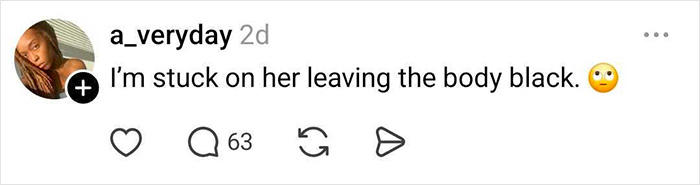
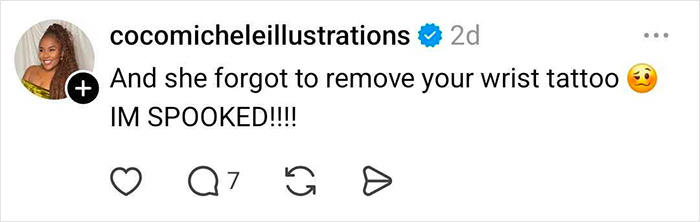
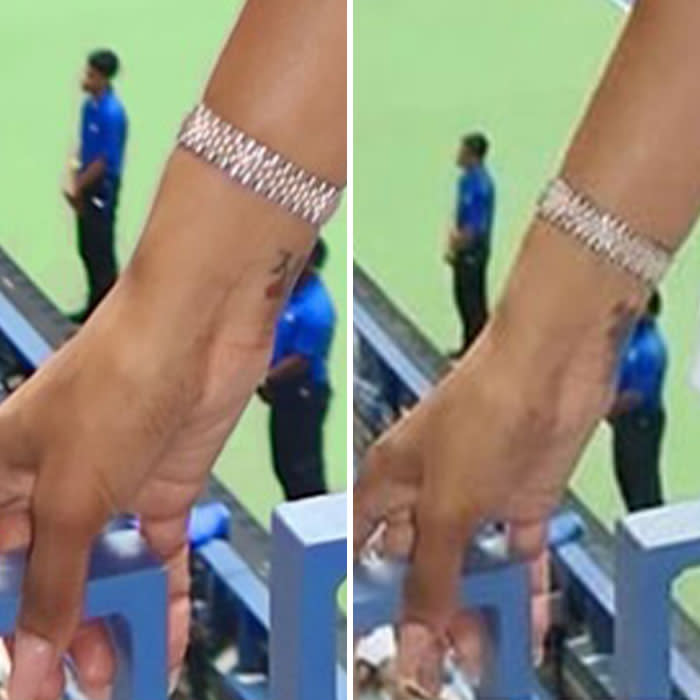
Boultier later shared what appeared to be the same image. However, she geotagged the location as the Miami Open instead of New York. Tennis star Coco Gauff even pointed out the court wasn’t in Miami.
Elizabeth said the situation confused her more than anything else. She emphasized she wasn’t trying to attack Boultier personally. Instead, she wanted clarity about why her image appeared altered online.
Lauren Blake Boultier responds and apologizes
After the controversy spread, Lauren Blake Boultier issued a public response. She accepted responsibility and said the image came from an AI content system used by her team.
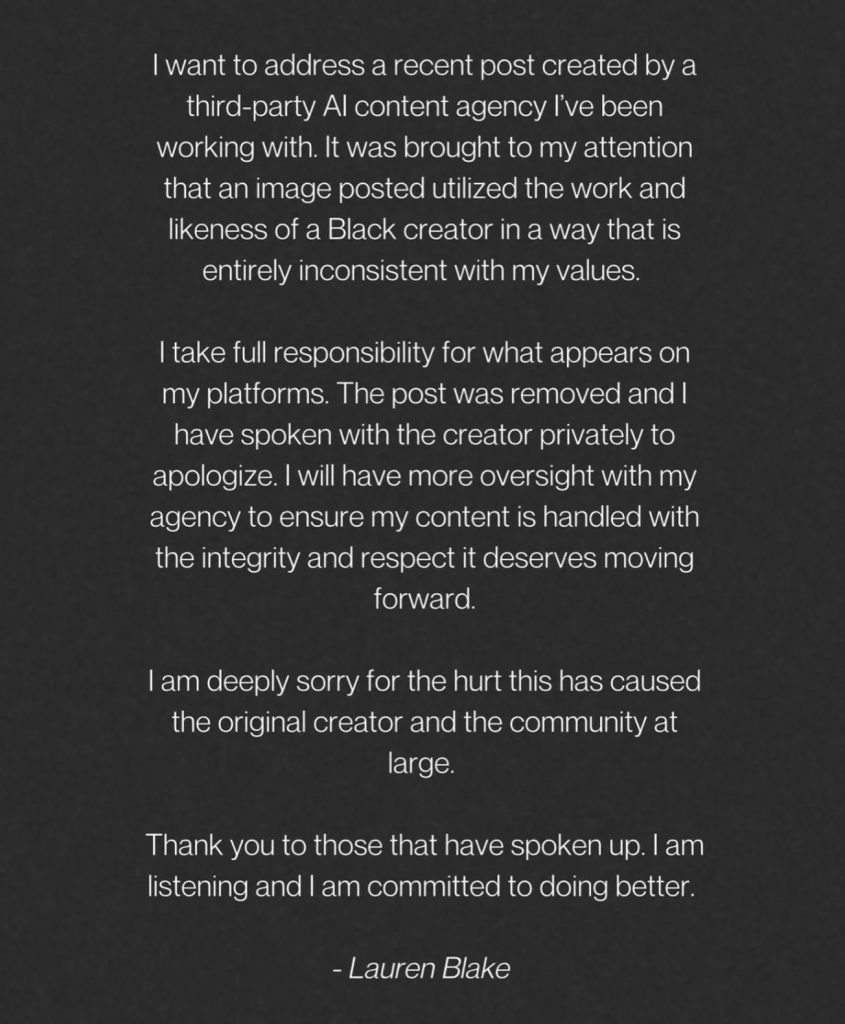
She explained she did not intentionally copy another creator’s work. However, she acknowledged the outcome still affected Tatiana Elizabeth and the broader creative community.
Boultier later confirmed she contacted Elizabeth privately to apologize. She also promised stronger oversight of future content produced through automated image tools.
Elizabeth later shared screenshots showing those apology messages. The exchange helped shift the tone of the conversation slightly, though questions remain.
Why this deepfake moment matters beyond one post ⚠️
This situation highlights how quickly deepfake technology can blur the line between original content and manipulated images. Many creators now worry about how easily their likeness can be reused without permission.
Experts note that face-swap apps make these edits accessible directly from smartphones. Some tutorials even show users how to download real creators’ videos and replace faces using AI software.
That accessibility raises ethical concerns across influencer culture. It also forces creators to rethink ownership, authenticity, and trust online.
A bigger conversation about AI and authenticity online 🔥
The situation involving Lauren Blake Boultier and Tatiana Elizabeth reflects a growing challenge across social platforms. As AI tools become easier to use, verifying what is real becomes harder.
Elizabeth said she hopes the moment encourages awareness about how technology can reshape reality on social media. Her response sparked widespread discussion about accountability and digital boundaries.This viral moment shows one thing clearly. The conversation about deepfake images is only just beginning.
 English